Fukuoka Airport International Lounge Guide: Lounge Fukuoka Review
Yagichan
Yagichan’s Fishing & Travel Blog

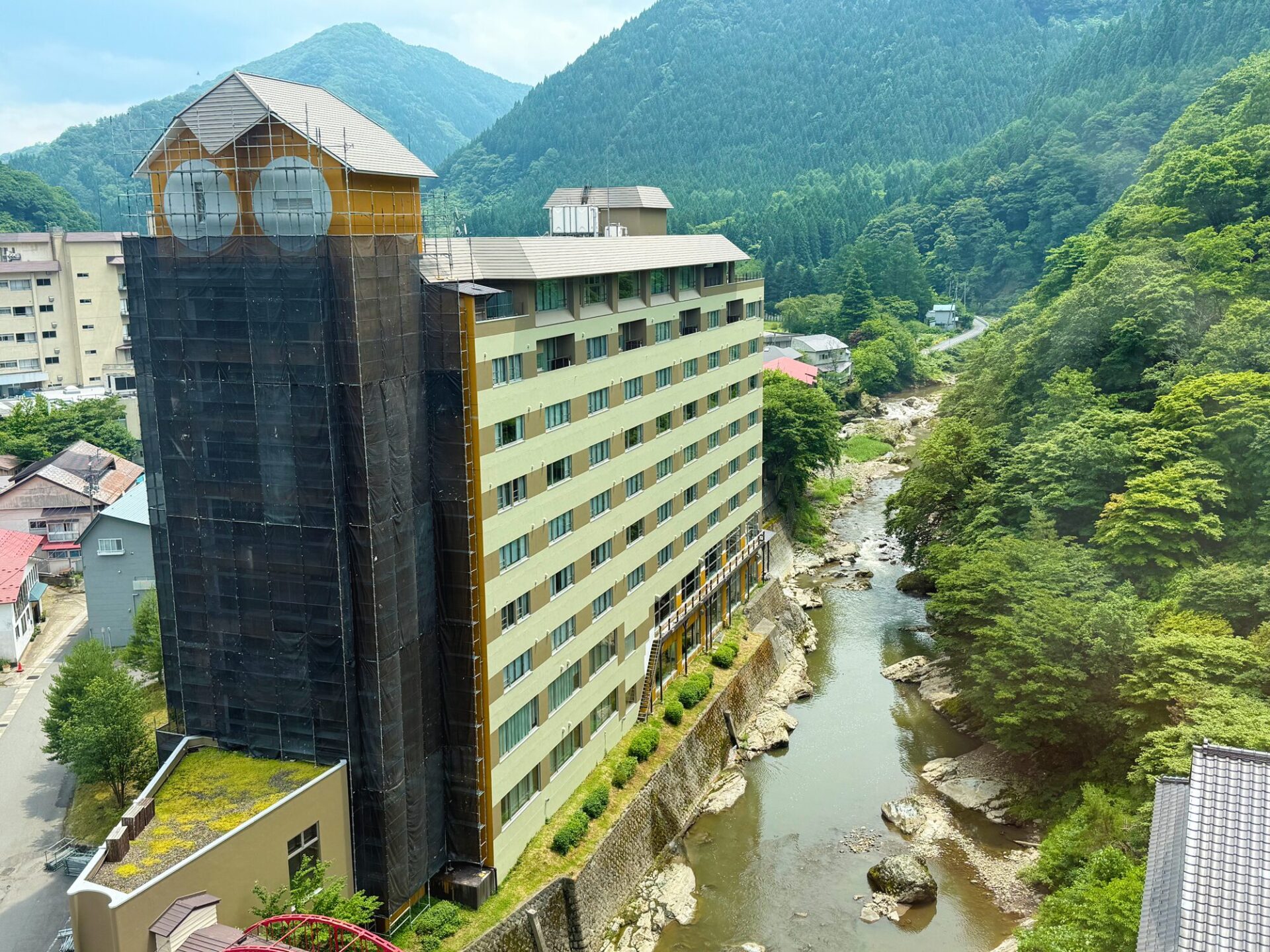
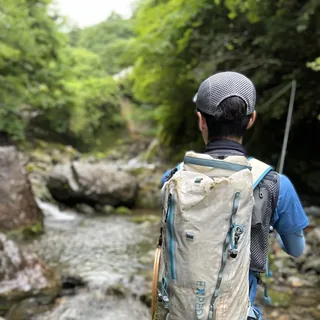
Heading north from Yamagata Prefecture! Next up is Akita Prefecture! Let me show you some of its wonderful nature.
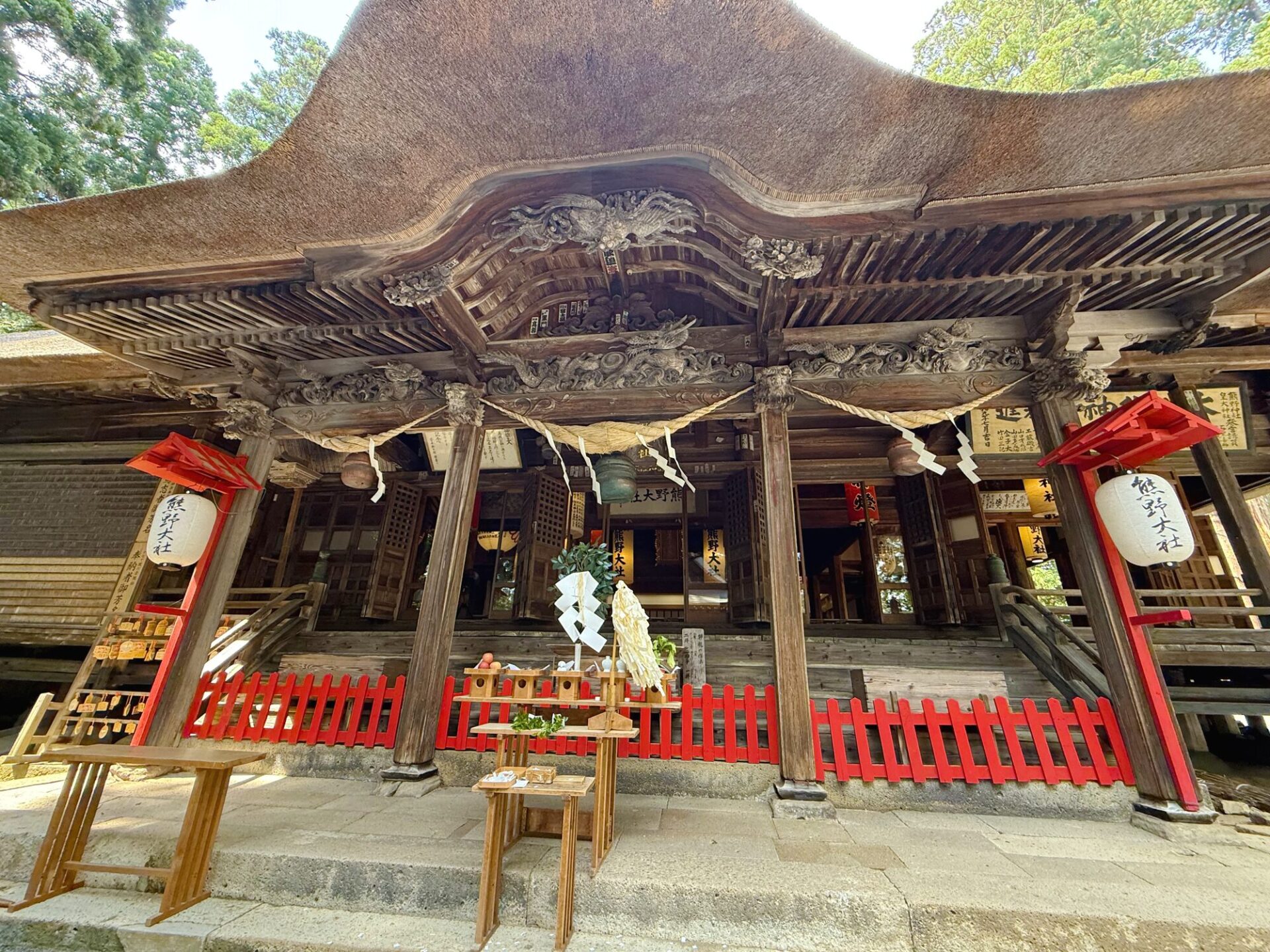
Kumano Taisha Shrine, enshrined in Nanyo City, Yamagata Prefecture, boasts a history of over 1,200 years and was once known as the “Ise of Tohoku” for its prestige. But it’s not just steeped in history — it’s full of a mystical charm that still captivates visitors today.
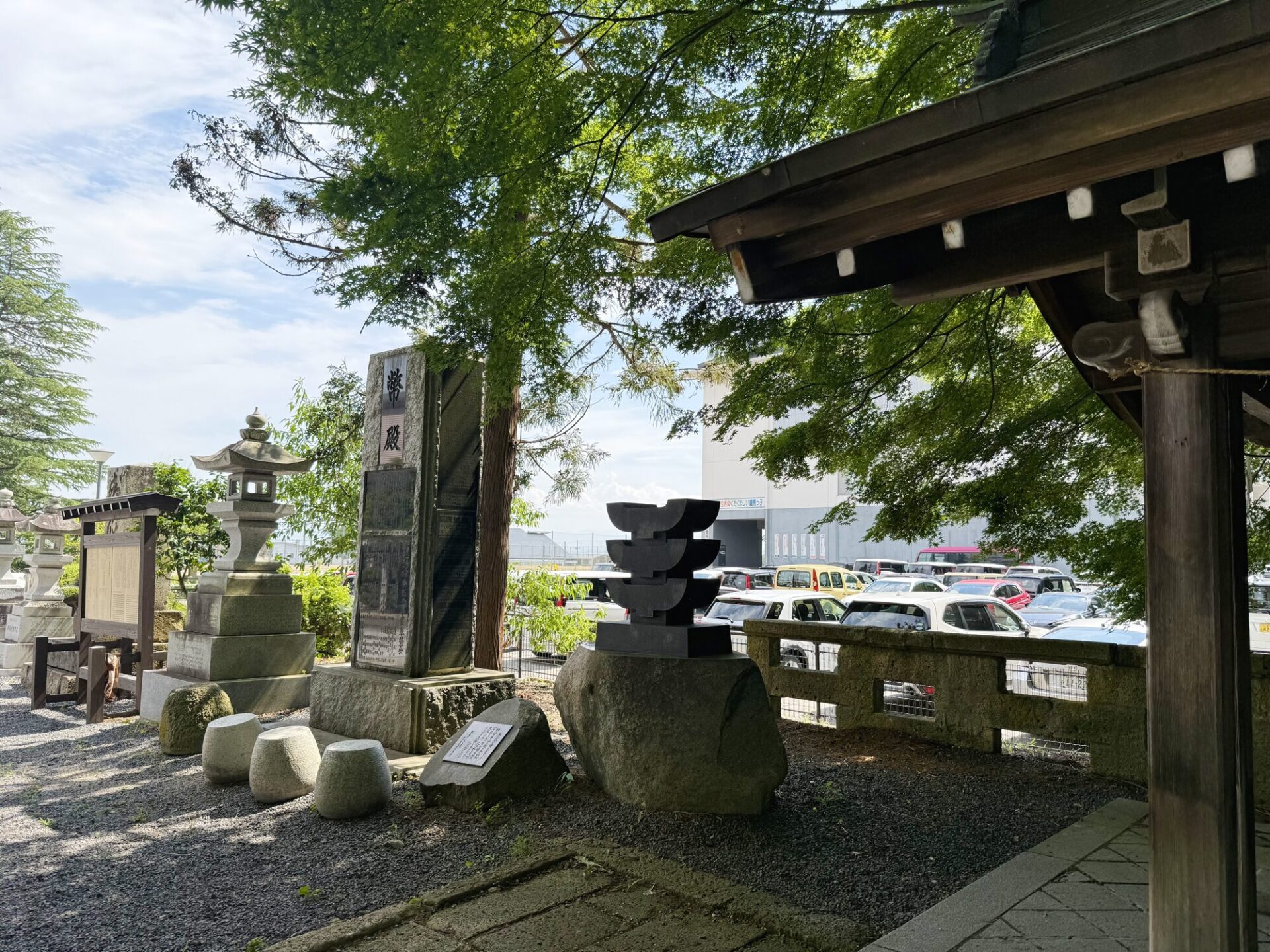
The principal deities of Kumano Taisha Shrine are Izanagi-no-Mikoto and Izanami-no-Mikoto, the male and female gods who, according to Japanese mythology, were the very first couple to be joined together.
They are enshrined as the gods of “musuhi”, the creative force believed to generate and nurture all forms of life.
“Musuhi” refers to a mysterious, invisible power that brings life into being out of nothing. It connects to the spirit of one of Japan’s oldest poetic phrases, “until the pebbles grow into boulders and are covered in moss,” and represents the fundamental force governing life itself. This power of musuhi is said to be the driving force behind good matches, new life, and new possibilities.
The deities aren’t the only reason Kumano Taisha Shrine is known as a sacred site for matchmaking. Within the shrine grounds are some lesser-known but powerful spots said to bring good relationships.
Izanagi-no-Mikoto and Izanami-no-Mikoto are, in mythology, the very first male and female deities to exchange a proposal in Japan. Following in the footsteps of these two gods, who were united through plain, simple, and heartfelt words, Kumano Taisha Shrine has become immensely popular as a shrine for “musubi” (matchmaking).
Hidden within the carvings on the back of the main hall are three rabbits. If you can find all three, it’s said that you’ll “have your wish granted,” “find happiness,” and “be blessed with a good relationship.”
*One catch: even the shrine office won’t tell you where the rabbits are — it’s a secret! Searching for them with your own eyes is part of the magic of visiting this shrine.
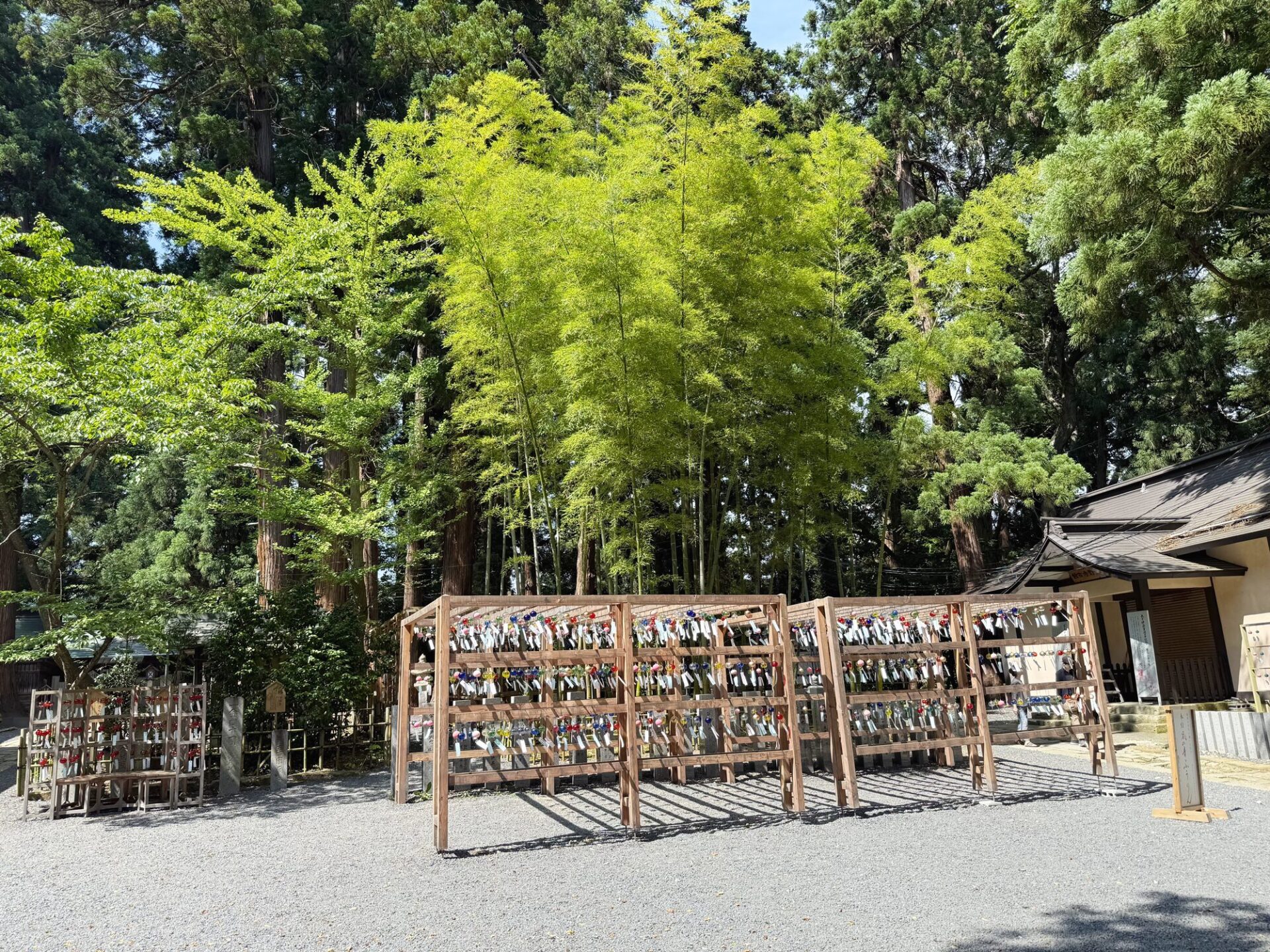
I happened to visit on June 30th! The timing lined up perfectly with the Natsukoshi Oharai ritual, so I joined in on the spot.
There’s an important ritual held every year in June and December at Japanese shrines. It’s called “Oharai,” the Great Purification. The one held specifically on June 30th is called the “Natsukoshi Oharai,” the Summer Purification, and it has long been valued as a ritual to help people head into the hot summer months in good health.
Understanding the meaning behind this ritual gives you a deeper sense of Japanese culture and the changing of the seasons.
Oharai is one of the most important rituals in Shinto, performed twice a year, once every six months.
This ritual is meant to purify the mistakes we unknowingly make in daily life, along with the “sin” (tsumi) and “impurity” (kegare) that accumulate on our mind and body.
“Kegare” doesn’t just mean being dirty — it can also be read as “ki-gare” (withered spirit), meaning a state where one’s life force has weakened, or a state of imbalance that isn’t truly you. The ritual entrusts this to a paper figure (hitogata) and lets it flow away in water, with the goal of returning both mind and body to a refreshed state.
The June 30th “Natsukoshi Oharai” carries a strong emphasis on praying for good health through the rainy season into summer, a period when it’s especially easy to fall ill.
This ritual marks a turning point, preparing you to greet the full heat of summer with a clean body and mind.
At most shrines, Oharai follows roughly the steps below.
You write your name and age on a piece of paper shaped like a person (called a hitogata) that’s handed out by the shrine, then lightly rub it over your body or breathe on it.
This is meant to transfer your sins and impurities from the past six months onto the hitogata. Once entrusted, the paper figures are purified during the ritual and then set adrift in a river or the sea. (Note: some shrines burn them instead, depending on the shrine.)
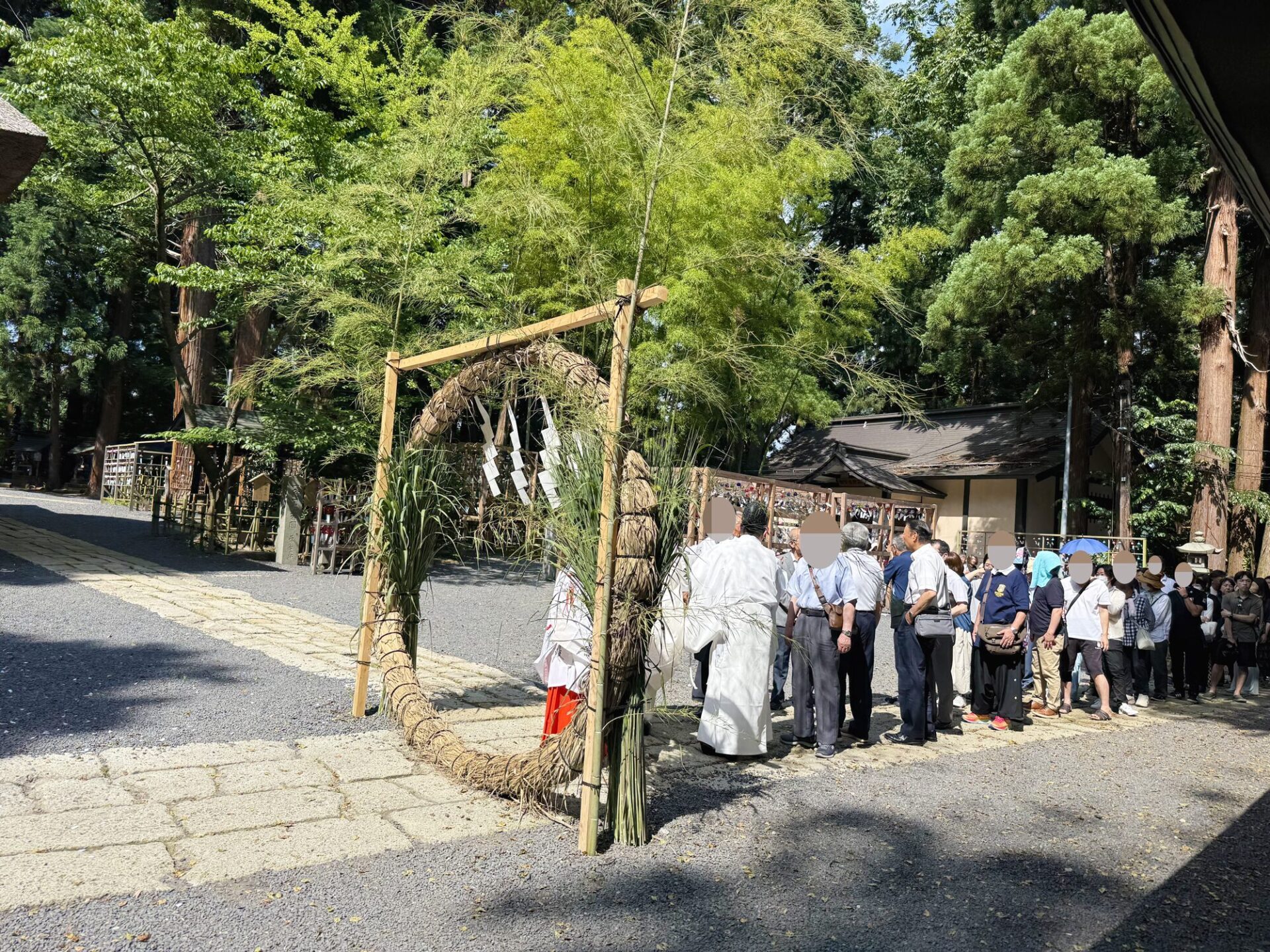
If there’s one symbol of the Natsukoshi Oharai, it’s the “chinowa kuguri,” or passing through the ring of reeds.
A large ring made from a type of grass called chigaya (a type of cogon grass) is set up within the shrine grounds or under the torii gate. People walk through it in a figure-eight pattern to purify their mind and body and ward off misfortune.
This custom comes from the legend of Somin Shorai in Japanese mythology, and it carries wishes for protection from misfortune and good health.
The shrine grounds are also home to auxiliary shrines enshrining as many as 30 deities, so you can take your time wandering around, taking in Kumano Taisha’s deep history and the power of its lush sacred forest (mori).
If you visit Kumano Taisha Shrine, be sure to leave yourself plenty of time to search for the “three rabbits.” You might just experience the moment a meaningful bond is formed, right here in this historic place.

This time I want to introduce Kitashou Takeda Saketen, a liquor shop with a reputation among local fans and sake lovers in Yamagata — a prefecture famous for its sake — as a place where “you can’t go wrong.” If you’re looking for local sake or Japanese wine shaped by Yamagata’s climate and terroir, this shop is an absolute must!
Kitashou Takeda Saketen has strong ties to breweries and wineries across Yamagata Prefecture, and its lineup, showing what’s happening in Yamagata’s drink scene right now, is a real draw.
Rather than simply stocking famous brands, the owner personally visits breweries and producers, hand-picking only the bottles whose passion and story genuinely convinced them.
Choosing the right souvenir matters if you want your memories of a Yamagata trip to last.
A bottle chosen at Kitashou Takeda Saketen isn’t just a drink — it becomes a special one, packed with Yamagata’s terroir, the brewery’s passion, and the warm conversation you had with the shop owner.
Enjoy it at home alongside Yamagata cuisine, or give it as a gift to someone important to you. Be sure to stop by Kitashou Takeda Saketen and find the ultimate bottle to round off your trip.
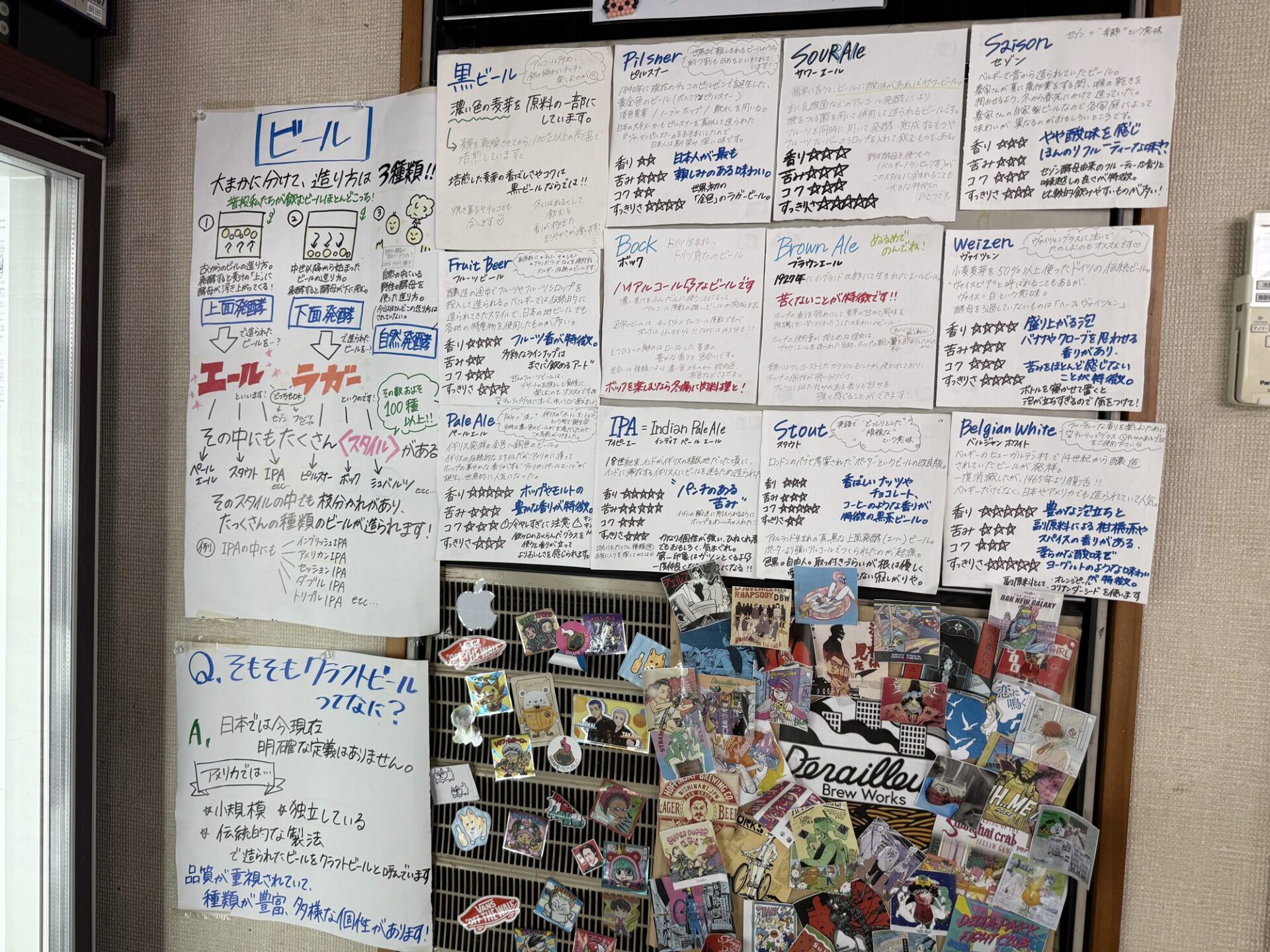
Unusually for a liquor shop, the brewing methods for various beers are explained here in detail. Knowing how the beer you usually drink is actually made makes it that much more enjoyable!
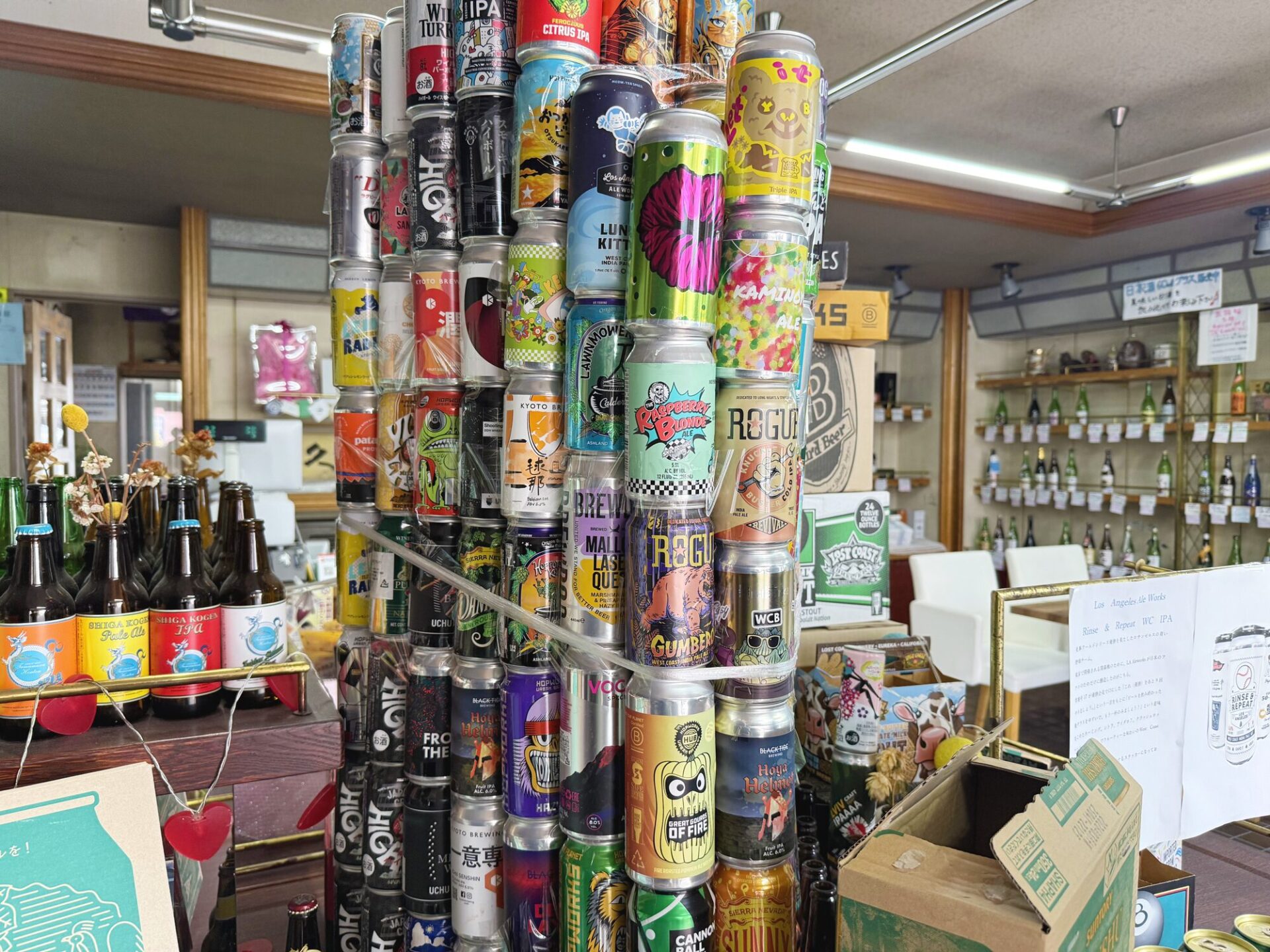
Right as you walk in, you’re greeted by a towering wall of craft beer cans! Just from that, you can tell how much the owner loves craft beer. Which labels are in stock is something you’ll have to see for yourself — and discovering a new beer along the way is one more part of the joy of traveling.
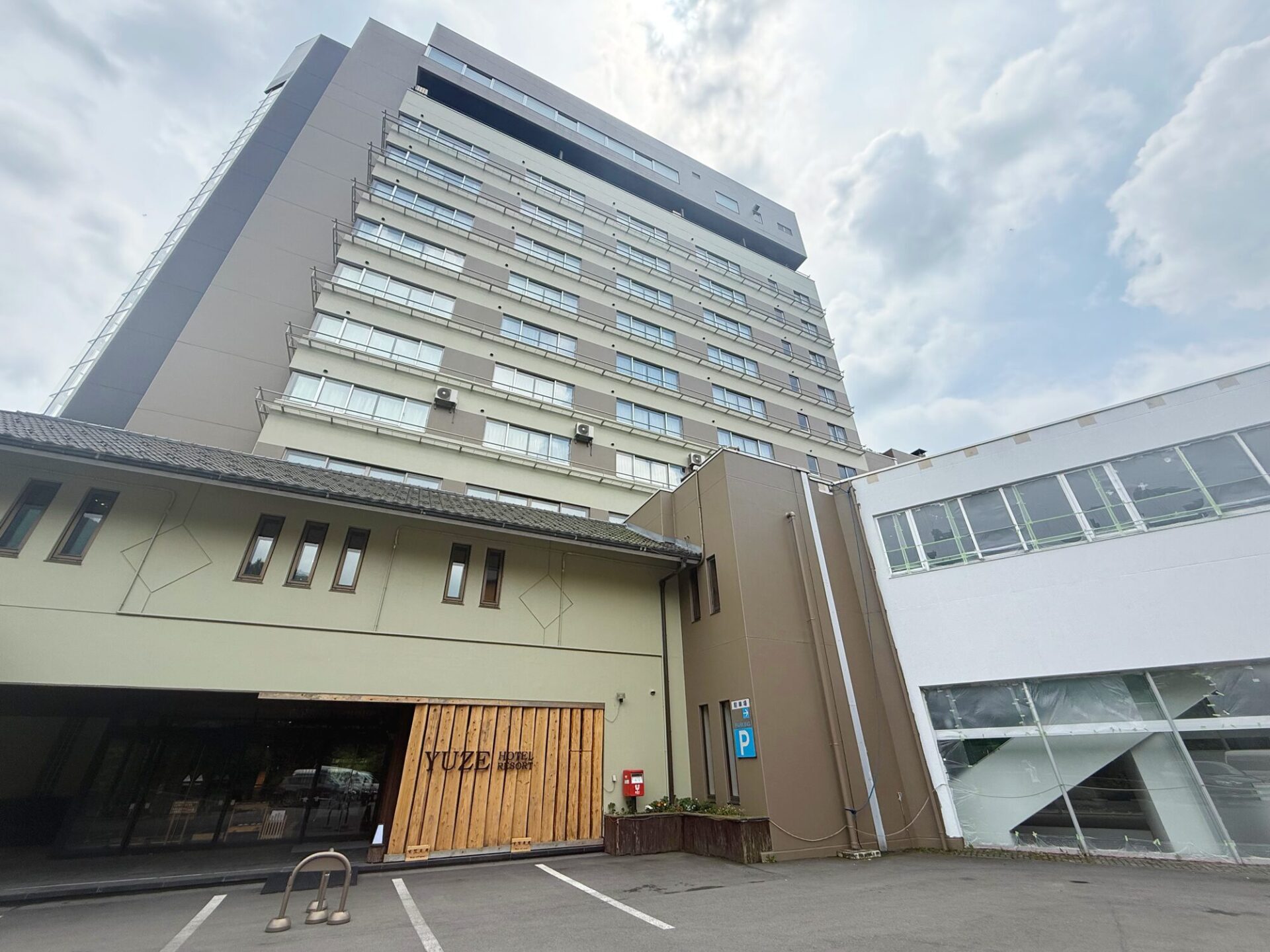
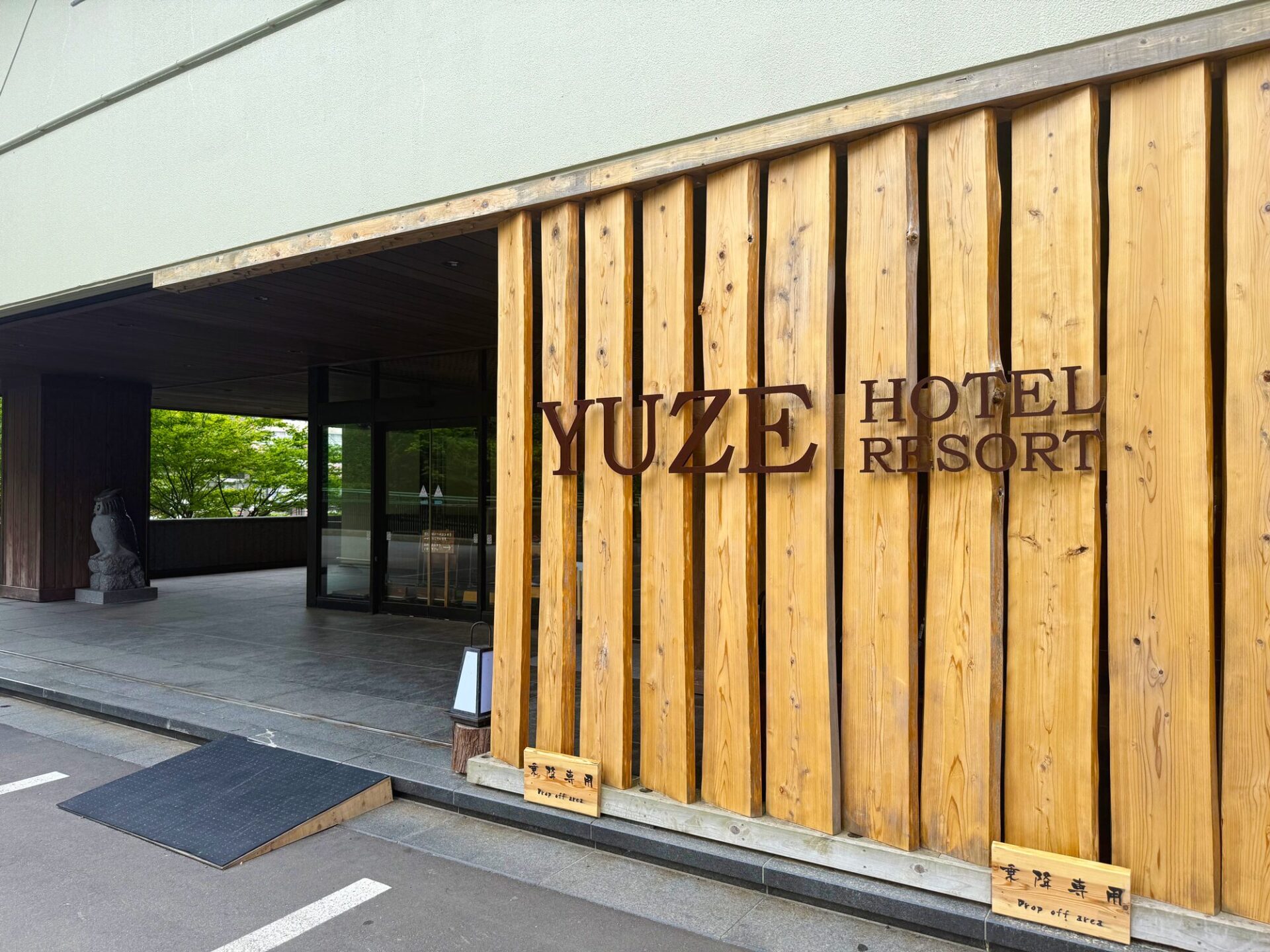
Let me introduce Yuze Onsen’s Yuze Hotel, a quiet hot spring retreat tucked at the foot of Hachimantai, in what’s often called Akita’s “inner parlor.” Built around the concept of “Four Seasons of Akita,” it’s a relaxing, adults-oriented inn where the hot spring, the food, and the space itself let you fully savor Akita’s nature and culture.
Let’s take a closer look at what makes Yuze Hotel so appealing — a place where you can relax completely, wrapped in the murmur of a mountain stream!
Yuze Hotel’s biggest draw is Yuze Onsen itself — famous as a “beauty bath” for its abundant hot spring water and excellent water quality.
True to its name — which comes from the fact that hot water once welled up from the shallows of a river — this abundant, source-fed hot spring is gentle on the skin and soothes the fatigue of travel right down to the bone.
The open-air bath in particular is a luxurious space, where the murmur of the Yonashiro River flowing right in front of you plays like background music, and the surrounding mountains let you feel each season’s changes with all five senses.
In addition, the “Meisou Mori no Yu,” newly built in spring 2024, is an adults-only open-air bath designed for enjoying meditation in complete silence.
It has both a hot bath (approx. 42.5–44.0°C) and a lukewarm bath (approx. 37–40°C). Soaking slowly in the lukewarm water lets you forget everyday life and reset your mind and body in a blissful stretch of time.
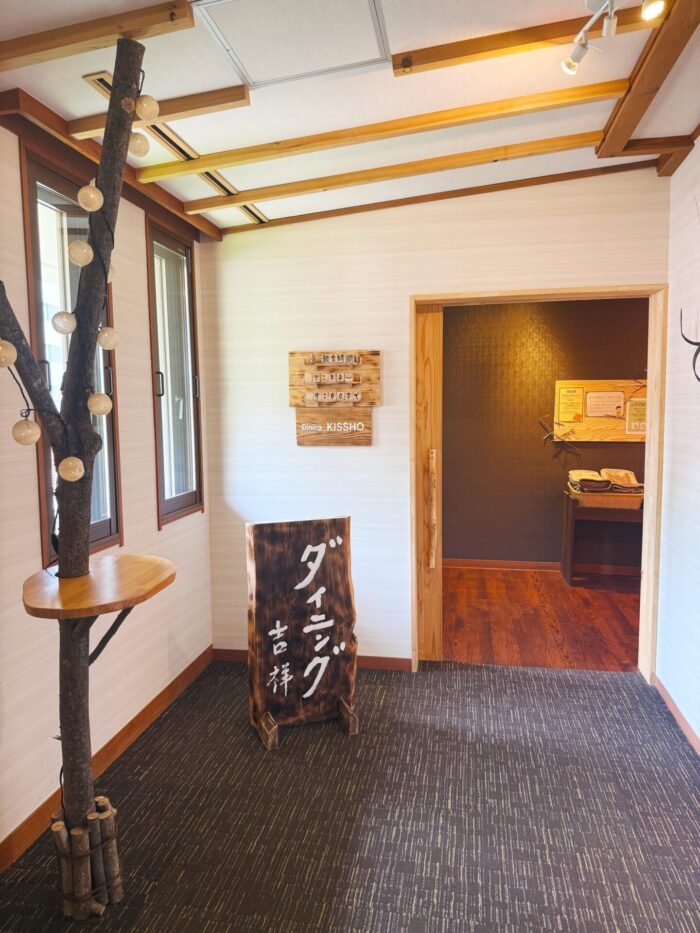
🍽️ A Dining Room for Savoring Local Cuisine
Both breakfast and dinner feature flavors typical of northern Tohoku alongside dishes distinctive to Akita. Here’s a look at the menu, which lets you fully enjoy the local flavors.
The main dining room, “Dining Kissho,” is a wa-modern space filled with the warmth of wood, where you can fully enjoy the bounty of the region.
True to the name “Four Seasons of Akita,” the meals here are served as a creative buffet and Japanese-style set courses, both built around local, seasonal ingredients.
In recent years, Yuze Hotel has been actively renovating its guest rooms and facilities to offer guests an even more comfortable stay.
After your bath, head to the newly built free lounge, “Oyasumidokoro” (rest spot), on the 3rd floor of the main building. It’s a soothing space for cooling down and chatting, with views of Yuze’s lush green mountains.
This lounge sits toward the back of the lobby. Here you can help yourself to complimentary welcome drinks. Bottled beer is the only paid option — every other alcoholic drink is free, so you can relax and enjoy it at your leisure.
From the room, you can see the Yonashiro River, a spot well known among stream anglers.
Yuze Gorge, which spreads out around the hotel, is blessed with lush greenery and has even been certified as a Forest Therapy Road. Walking along it while listening to the clear stream is a blissful way to forget the hustle and bustle of daily life.
The hotel also has good access to Towada-Hachimantai National Park, making it a very convenient base for sightseeing. It’s well worth venturing a little further out in search of the beautiful scenery each season brings.
Yuze Hotel is a wonderful inn that strikes a fine balance between the old-fashioned charm of a traditional hot spring ryokan, modern comfort, and Akita’s own brand of beauty and cuisine. The renovated luxury rooms and the newly built meditation bath, in particular, are perfect for travelers seeking a step up into something out of the ordinary.
Why not make your next trip one where you heal your mind and body with the full “Akita experience” at Yuze Onsen in Akita?
This hotel is an absolute recommendation if you want to spend relaxed, high-quality time, celebrate an important anniversary, or are sightseeing around Tohoku. The hot spring, the scenery, the air, the food — every part of it is top-notch. Spend meaningful time here with someone who matters to you!
You can book your stay right here!
My Tohoku trip began with the mystical sense of musubi I felt at Kumano Taisha Shrine in Yamagata, continued with a meeting at the locally loved Kitashou Takeda Saketen, and wrapped up with a truly restorative stretch of time at Yuze Onsen in Akita. Nature, culture, great food, hot springs — every part of it let me savor the charm of Tohoku deeply. If you’re heading to Yamagata or Akita, I hope this article helps you enjoy a Tohoku trip all your own. Thanks so much for reading to the end!
Advertisement (affiliate links)
Planning your next trip?