UCHU Brewing Review: New Journeys Begin and Uchu DAIGAKU from My Gifu Trip
Yagichan
Yagichan’s Fishing & Travel Blog

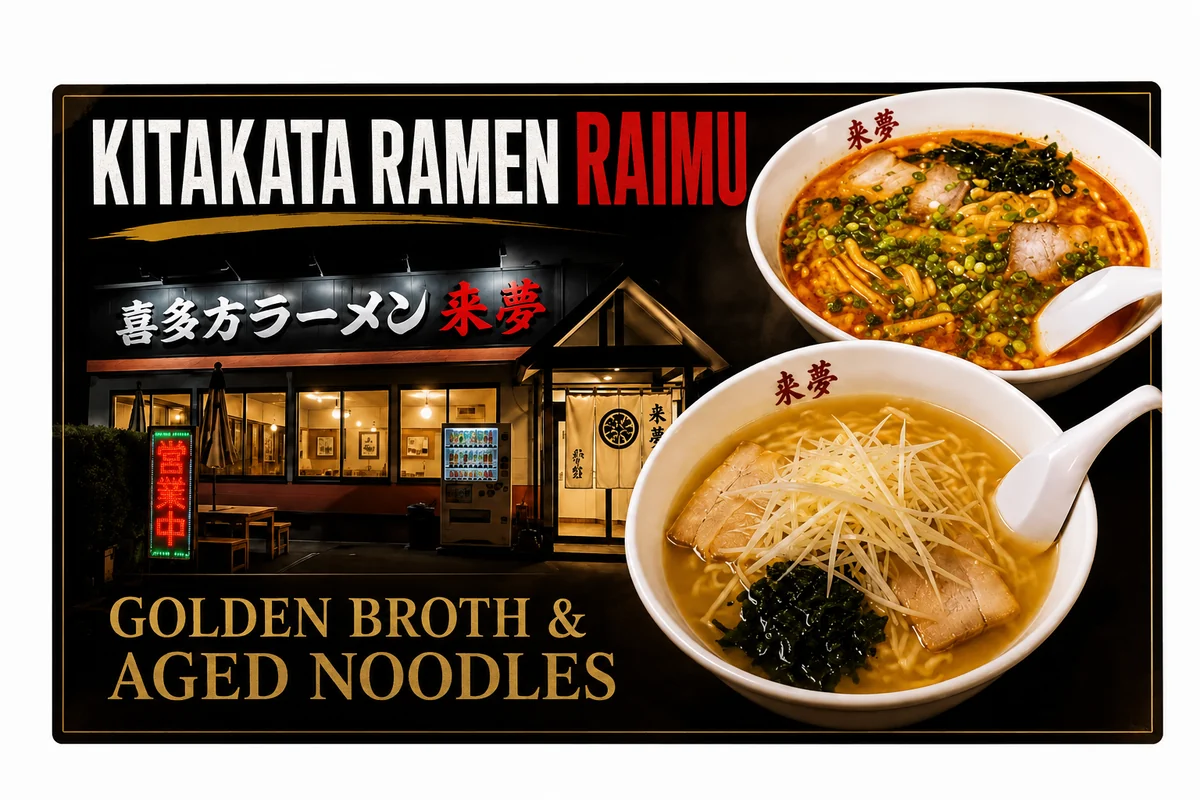

Hi, I’m Yagi! I went to Kitakata, Fukushima to try some real, authentic ramen. Of everywhere I ate, Raimu was in a class of its own!
“If I’m going to Kitakata, which shop should I try?” “What actually makes Kitakata ramen different?” This article answers both. This time I ate my way through Raimu, a celebrated Kitakata ramen shop, and I’m breaking down exactly what makes its golden broth and aged noodles so special — a recipe the shop has kept unchanged since it opened.
Kitakata ramen is a regional ramen style that originated in Kitakata, Fukushima Prefecture. It’s known nationwide as one of Japan’s “big three” ramen styles, alongside Sapporo and Hakata.
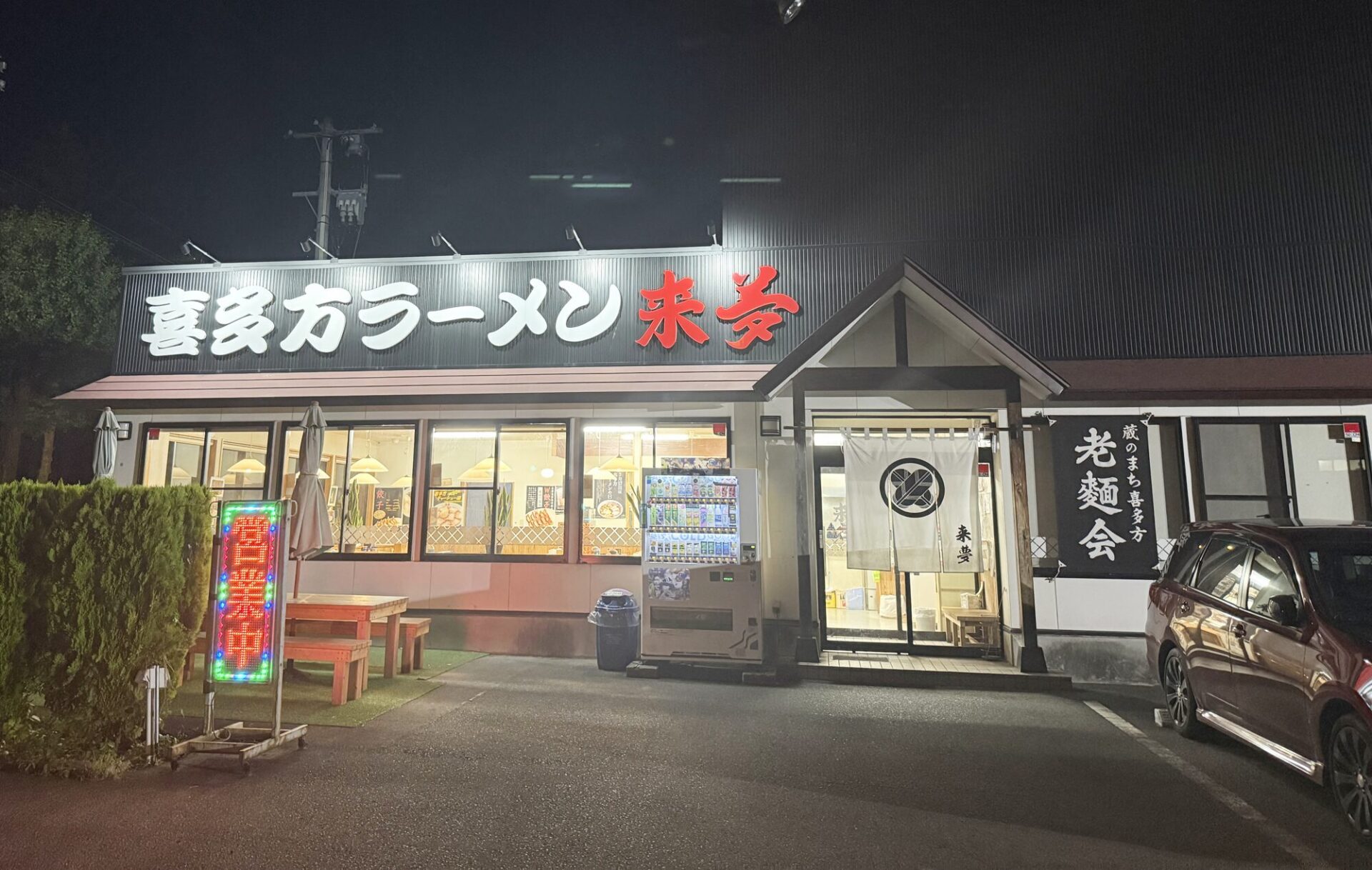
Raimu is one of the most meticulous shops in Kitakata. Using the same method since it first opened, the shop keeps chasing a trinity of noodles, chashu, and broth working together in perfect balance.
The shop’s aged high-hydration noodles are known for their smooth, chewy texture. The higher water content gives them a distinctive springiness, and a careful aging process brings out a deep, savory flavor.
The chashu goes through three days of preparation, then is aged for several more months — an indulgent process. The result is a melt-in-your-mouth texture with flavor soaked all the way through; once you’ve had it, you won’t forget it.
The golden broth is carefully simmered from pork leg bone, chicken bone, vegetables, dried sardines, and kelp. It’s light, yet deeply savory — the kind of broth that makes you want to drink it down to the very last drop.

My first taste of Kitakata ramen was rich and full-flavored, and the broth clung perfectly to the wavy noodles — it was amazing!
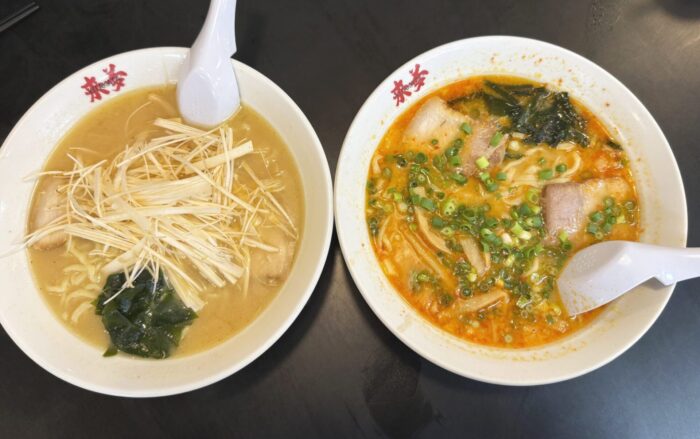
I had the shoyu chashu ramen and the miso ramen!
It’s light, but still satisfying — the kind of bowl you can eat at night without feeling too guilty about it.
Personally, I prefer shoyu and miso ramen over tonkotsu, so this was completely my style.
Trying local ramen when I travel is one of my favorite things, because it means running into a flavor unique to that place — that’s what makes it one of the real joys of a trip for me. What’s your favorite local ramen shop, and where?
Raimu’s signature dish. A clear shoyu broth, aged noodles, and a generous helping of thick-sliced chashu on top — it’s a striking bowl. The moment I took a sip of the broth, I was convinced: “this is Kitakata ramen.”
Kitakata ramen is best known for its shoyu-based broths, but Raimu’s miso ramen is outstanding too. The rich, deep miso broth pairs beautifully with the high-hydration noodles, and it’s especially good on a cold day.
“Want to make it at home too? Here you go ↓”
| Time of Day | Crowd Level | Recommendation |
|---|---|---|
| 11:00–12:00 | Fairly quiet | ★★★★★ |
| 12:00–13:00 | Busy (wait likely) | ★★★ |
| 13:00–14:00 | Starting to settle down | ★★★★ |
| Evening (18:00–) | Relatively quiet | ★★★★★ |
Right after opening at 11am, or in the evening, are your best bets! You can eat at a relaxed pace without waiting in line.
Raimu is open year-round and tends not to be too crowded, so you can drop by anytime.

Kitakata is known as a sightseeing destination centered on “storehouses and ramen.” After lunch at Raimu, a walk through the storehouse district makes a great follow-up.
Reservations generally aren’t accepted, so it’s best to visit right after opening or in the evening.
Yes, the shop has its own parking lot, so arriving by car is convenient too.
It’s about a 15-minute walk from JR Kitakata Station. A rental bicycle is also a great way to get around the town efficiently.
Raimu, a Kitakata ramen shop, has stuck to the same trinity of noodles, chashu, and broth since it first opened, and it shows in every bowl. One bite is enough to see just how refined it is. If you’re sightseeing in Kitakata, this is the shop I’d tell you to visit first.


Advertisement (affiliate links)
Planning your next trip?