Torisaki River Trout Fishing near Hakodate: Access, March Conditions and Rules
Yagichan
Yagichan’s Fishing & Travel Blog
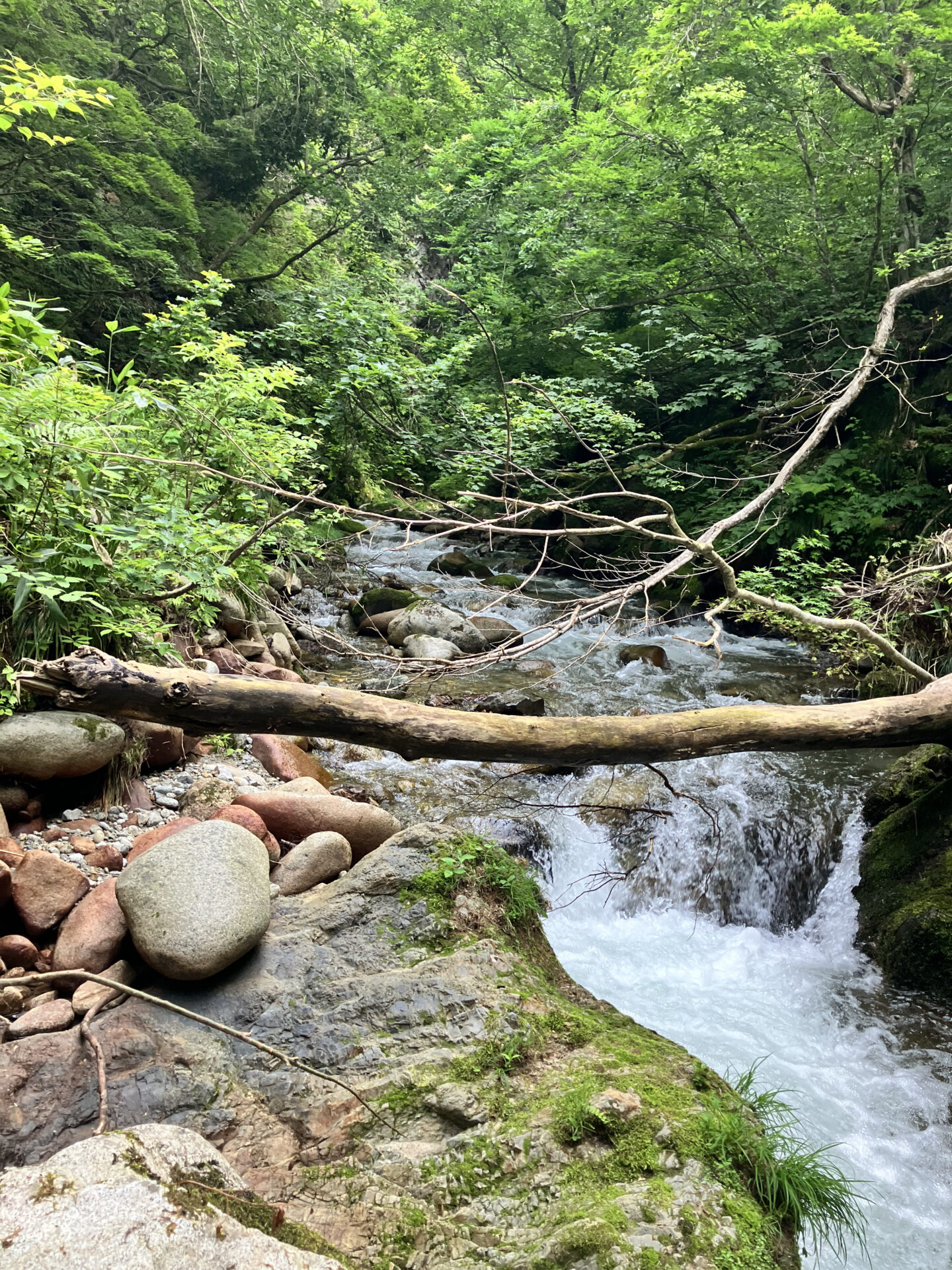
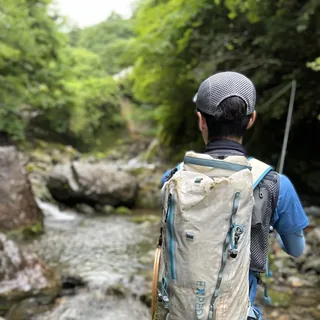
Hi, I’m Yagi. On my first fishing trip in Fukushima, I explored the Ichinoto River system near the Iide Mountains. I caught no fish this time, but the remote scenery, technical pocket water, and nearby hot spring made it a memorable day.
The Ichinoto River is a mountain tributary in the Aga River system of western Fukushima. The area is known for iwana, or Japanese char, and yamame trout, but it is not a casual roadside attraction. Anglers need the correct fishing permit, must identify the currently open water, and should expect fallen trees, rough access, bears, and rapidly changing mountain weather.
The Ichinoto River is listed among the tributaries managed by the Aga River Non-stock Fishery Cooperative. Buy and carry the appropriate recreational fishing permit before fishing, and confirm that your intended water is inside the cooperative’s licensed area.
| Rule | 2026 Information |
|---|---|
| Target species | Iwana, yamame, carp, crucian carp, and ugui |
| Iwana and yamame season | April 1–September 30 |
| Carp, crucian carp, and ugui season | January 1–December 31 |
| Day permit | ¥1,000 |
| Annual permit | ¥7,700 |
| Rod limit for iwana and yamame | 1 rod per angler |
| Minimum length | Iwana and yamame measuring 15 cm or less may not be taken |
Online permits are available through Tsuritickets, and the cooperative’s own website also directs anglers to FishPass. Follow the instructions for the service you use: Tsuritickets currently tells purchasers to print the permit and carry it while fishing.
The upper Ichinoto system divides into small mountain tributaries. Local management and closure notices can change by year, and historical information describes alternating closures on the upper branches. A blog post, an old map, or another angler’s report is not enough to establish that a branch is open today.
I have intentionally removed the precise entry and exit coordinates from this English guide. Conditions and legal access can change, and publishing exact points can concentrate pressure on a very small stream.
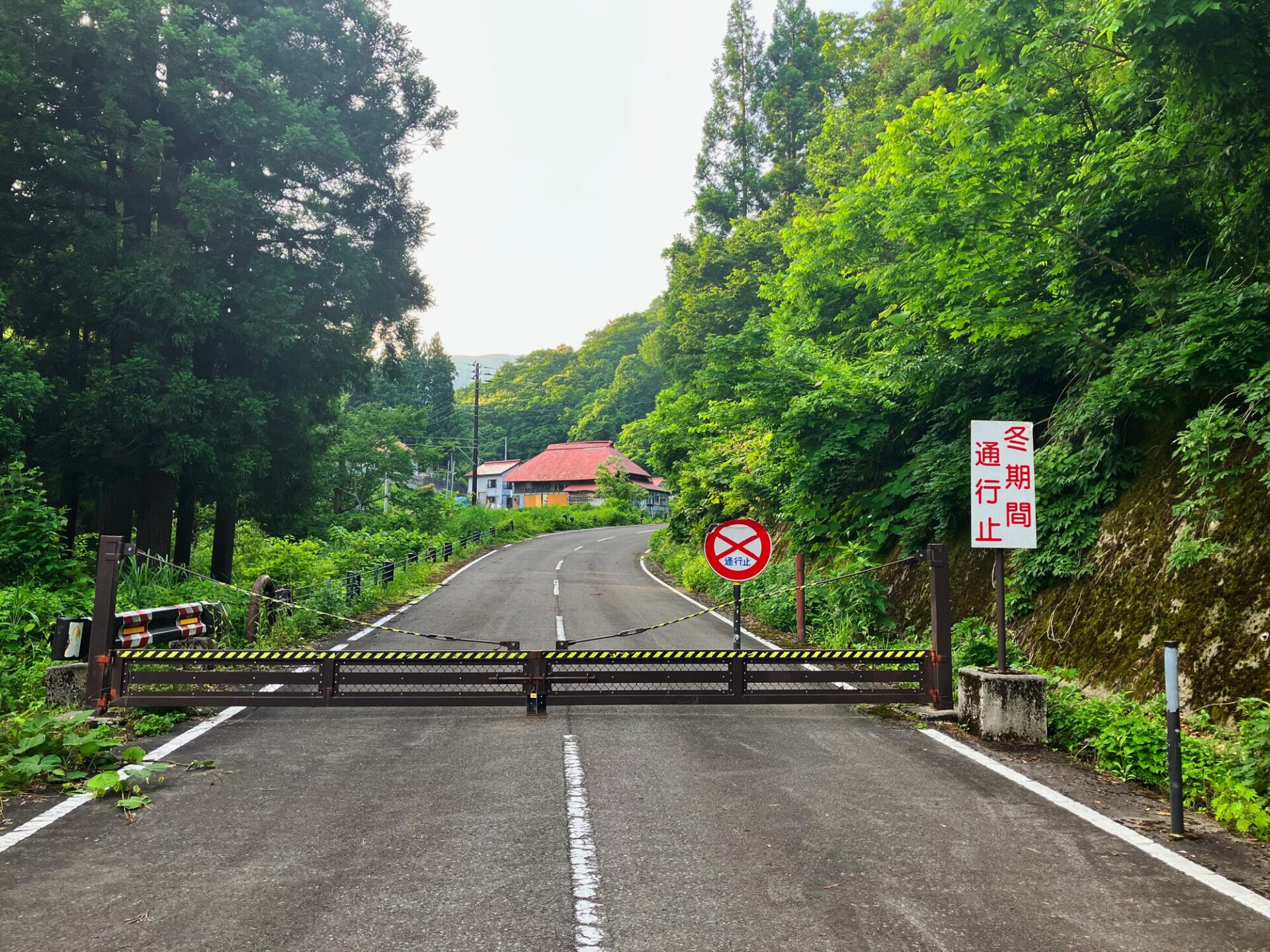
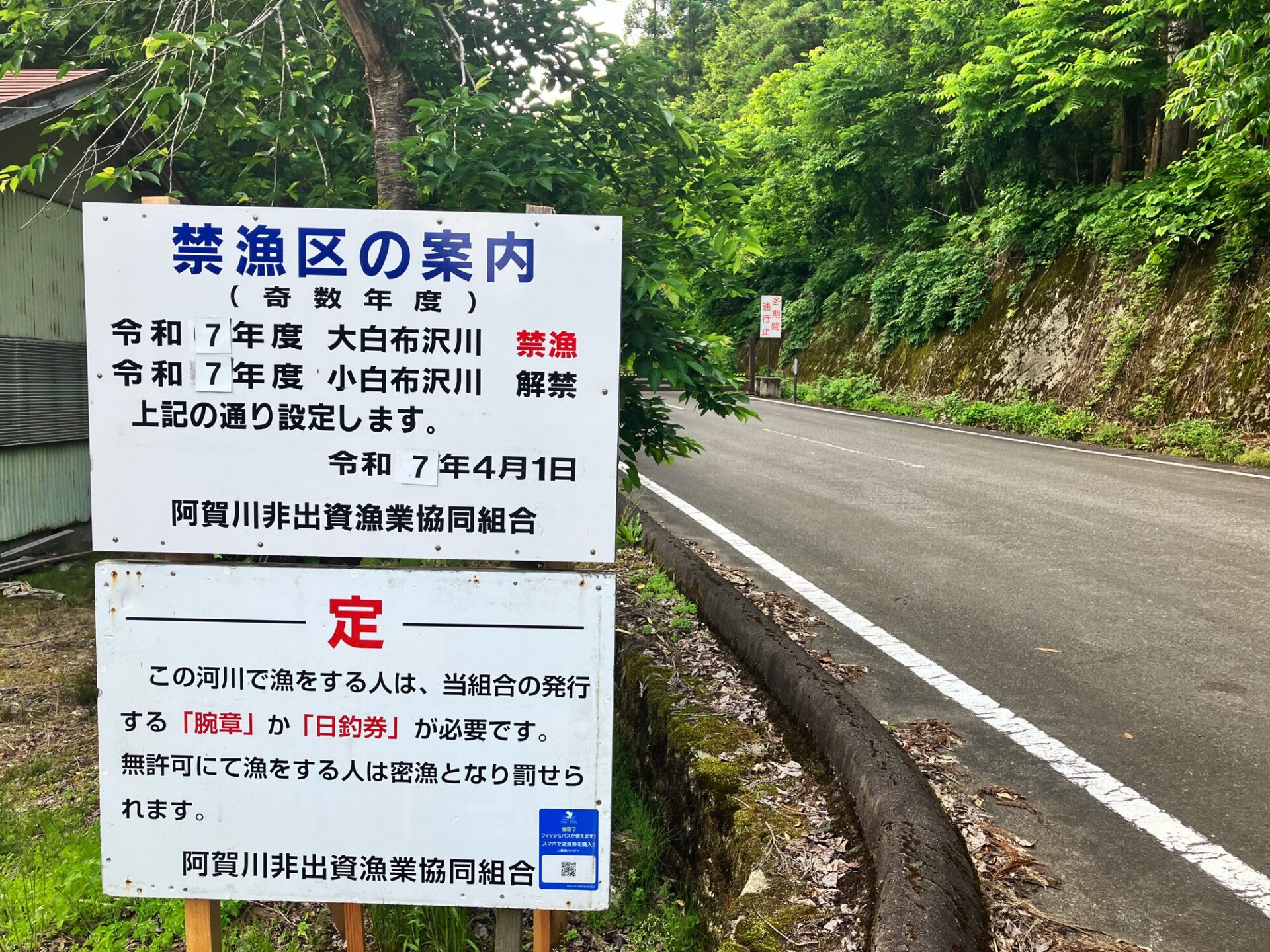
During my July visit, one road toward the upper stream was still closed. Other nearby sections had also been affected by landslides. This is a personal record of that visit, not a statement about current access.
Kitakata City updates road information for the Iide trailhead and Misawa Campground area. As of its May 26, 2026 notice, the Kawairi forest road and the road from Kawairi settlement to the campground were open from May 1, while the Ichinoki forest road was open from June 1. The city warns that the page will be updated when conditions change.
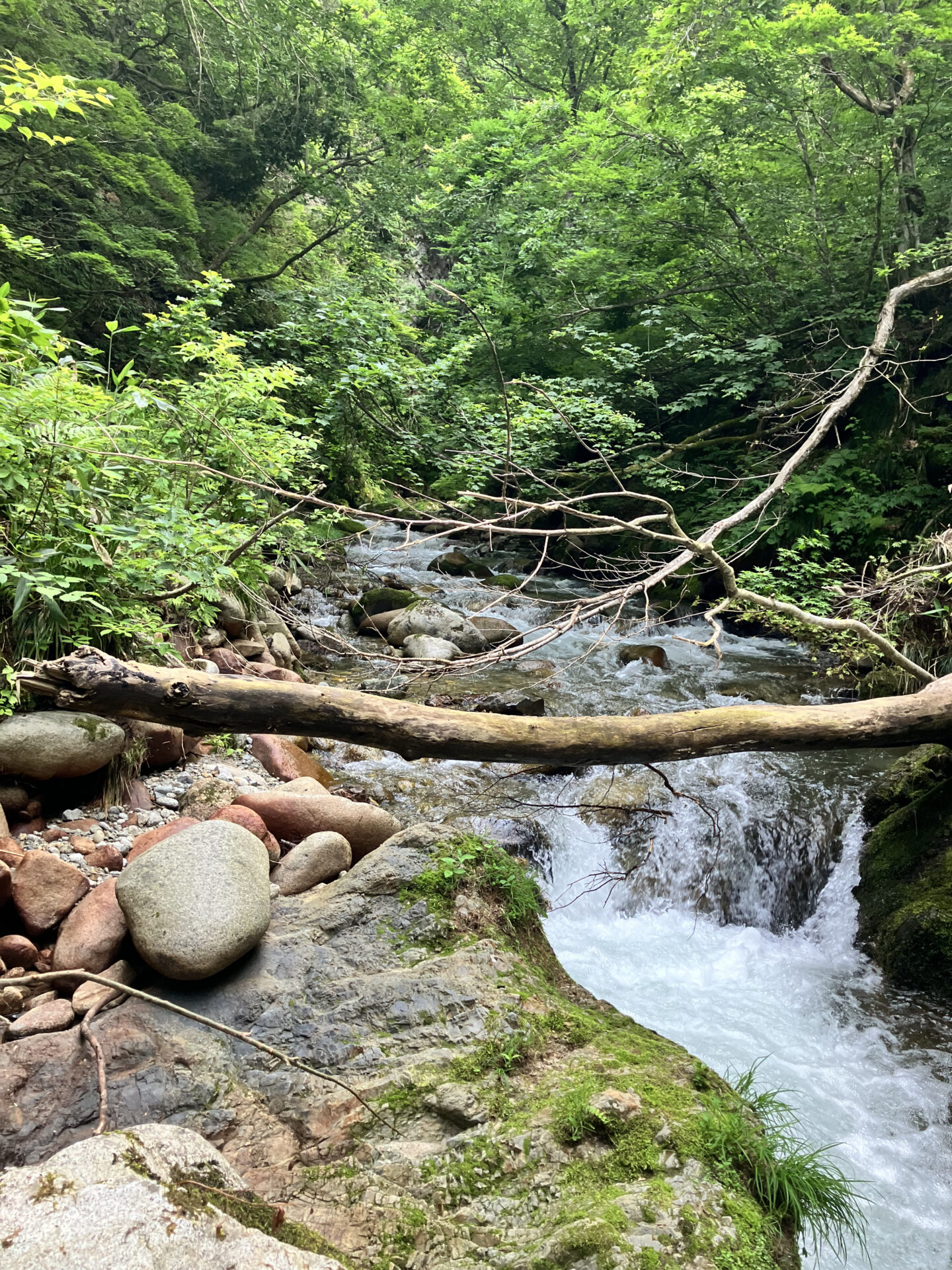
The lower part of the section I explored was roughly five meters wide with a healthy flow. Farther upstream, it became much narrower and was repeatedly blocked by fallen trees. Short pockets between timber and rocks required accurate casts and made progress much slower than the distance suggested.

The stream was beautiful, but all the fallen timber made it much more technical—and much slower to travel—than a typical roadside river.
A vehicle was already parked when I arrived. I hoped it belonged to a hiker, but the complete lack of fish response suggested that another angler may have passed through first. In a narrow stream, fishing behind someone can reduce your chances dramatically. Do not crowd or overtake another angler in confined water.
I used this fishless session as an opportunity to test several unusual small lures. These are personal observations from one trip, not a guarantee that the models are ideal for every Fukushima stream.
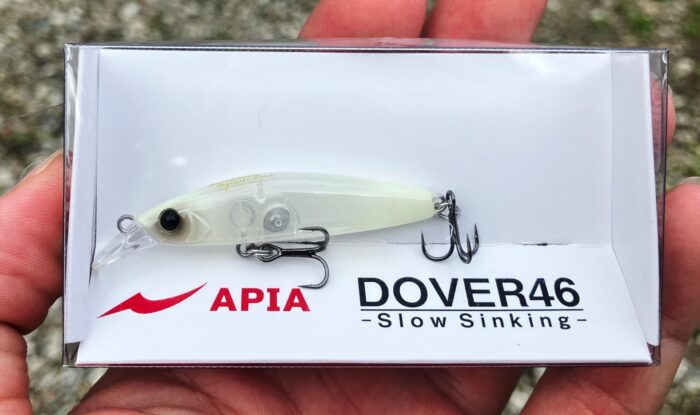
This 46 mm slow-sinking micro minnow was originally designed for saltwater light-game fishing. Its restrained movement made it interesting for holding in a small pocket or drifting through gentle current where an aggressive lure might leave the strike zone too quickly.
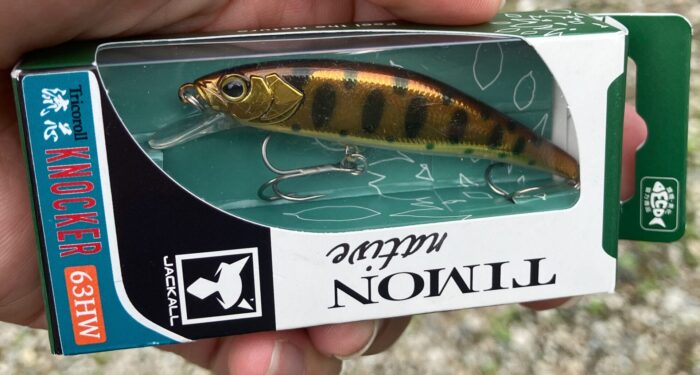
The heavier 63HW model uses a tungsten one-knocker rattle. It casts well and reaches stronger or deeper current, but its size and sound may be more than necessary in very small, heavily pressured pockets. Match the lure to the width, depth, and fish response.
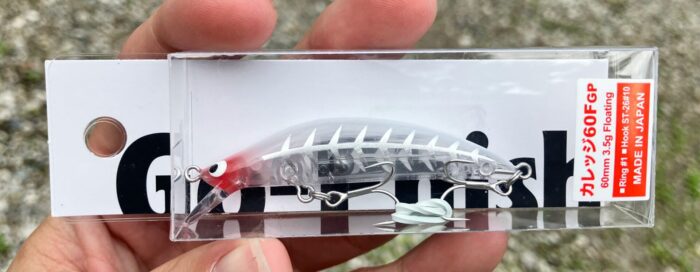
This floating 60 mm minnow has a moving-weight system and was another playful crossover choice rather than a conventional mountain-stream lure. Trying unfamiliar lures is part of the fun, but always use hooks and tackle that allow safe control and release of the fish you are targeting.
Phone reception may be unreliable. Fallen trees can shift, hide holes, and trap an angler during a fall. A route that looks short on a map can take hours when the stream is obstructed.
After about two hours without a fish, I ended the session and relaxed at a nearby hot spring. That combination—remote mountain scenery, technical fishing, and a warm bath afterward—is one of the pleasures of a fishing journey through Aizu, even when the trout do not cooperate.
Yes. The Ichinoto River is listed as a main tributary managed by the Aga River Non-stock Fishery Cooperative. Confirm the exact licensed area and buy the relevant permit before fishing.
The cooperative lists April 1 through September 30. Separate tributary closures or local restrictions can still apply within that general season.
For 2026, the miscellaneous-species permit is ¥1,000 per day or ¥7,700 per year. Paying at the fishing site through a patrol officer adds ¥1,000 under the formal rules.
No. Seasonal snow, heavy rain, landslides, forestry work, and repairs can affect access. Check Kitakata City’s current notice immediately before your trip and obey all gates and signs.
Use the current closure notice and signs at the junction. Do not rely on last year’s blog post because management can change by season or year.
The upper Ichinoto system offers beautiful, technical mountain-stream fishing, but it deserves careful preparation. Buy the permit, verify the current closure pattern, protect the exact spots from excess pressure, and be ready to turn back when the mountains say no.
Regulations, access, closures, stocking, and permit platforms can change. Confirm the latest official information before every trip.